Oh hi!
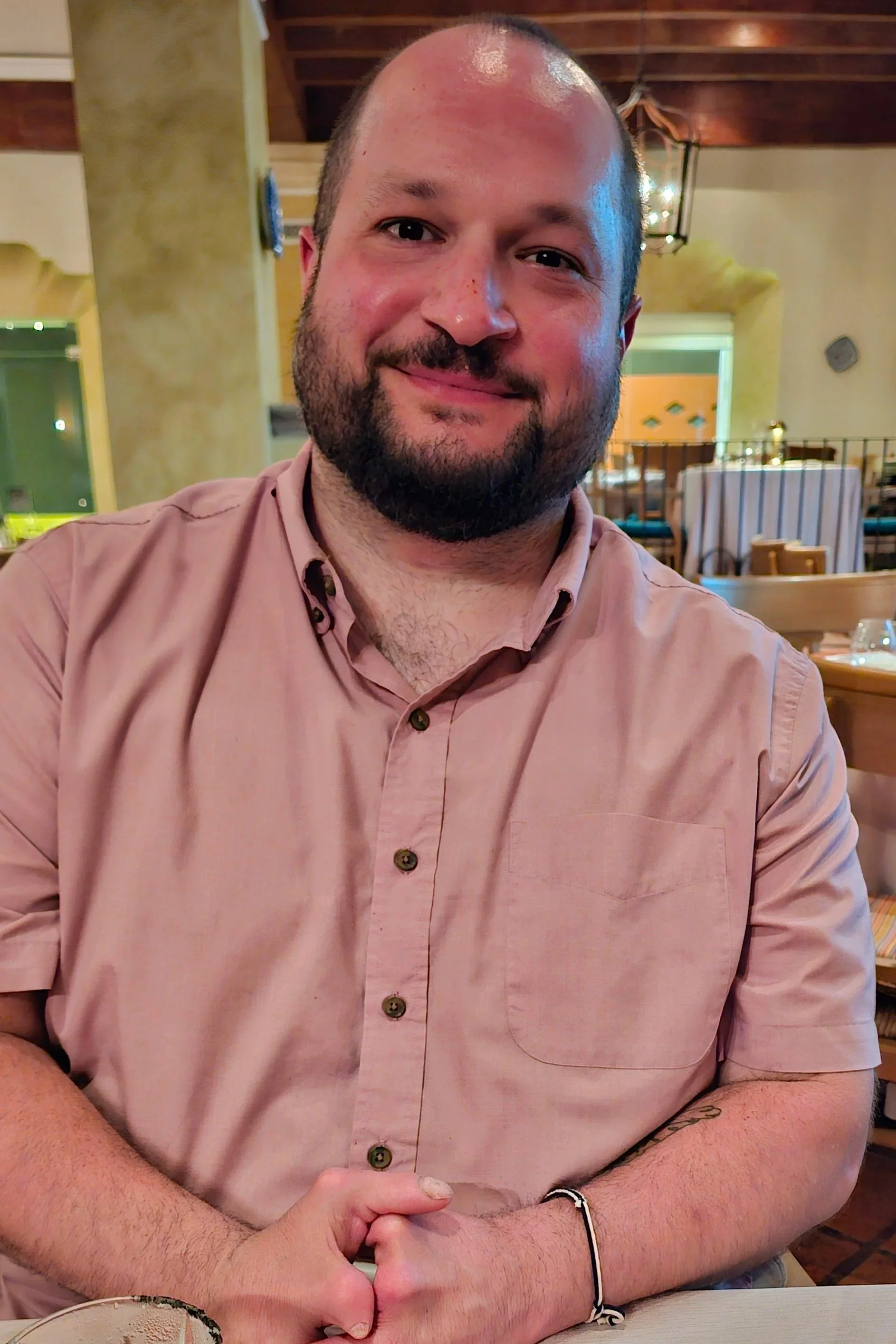
I’m Dave Hires. I’m a licensed professional counselor in the state of Oregon. I specialize in therapy for addiction and trauma. I am trained in Internal Family Systems (IFS) and Eye Movement Desensitization & Reprocessing (EMDR).
Do you experience intense distress in a way that is hard to predict or understand? Are you concerned about the things you do to lower that distress? My training has focused on methods that produce lasting change beyond that of "traditional" talk therapy alone.
I provide individual therapy to adults both in-person at my office in Tigard, or via Telehealth. I can bill OHP open card, Aetna & Moda. If this sounds good so far, message me to set up a free 15 minute consultation and we will go from there.

Mark Rothko. (1949). Untitled.
What are we doing?
After 14 years working in mental health, I have been exposed to a lot of kinds of therapy. Often, the work is centered around pushing against our unpleasant or seemingly unreasonable thoughts and feelings. We call them "cognitive distortions", we try to reframe them, argue with them, cope our way out of them.
There is a time and place for this approach. We don't always have the time, energy, or safety required for deeper work.
And yet, as an entire approach, as the beginning and ending of one's mental health treatment, coping skills and reframing negative thoughts just never felt like enough for me (or for my clients). It became clear to me that we need deeper, lasting healing.
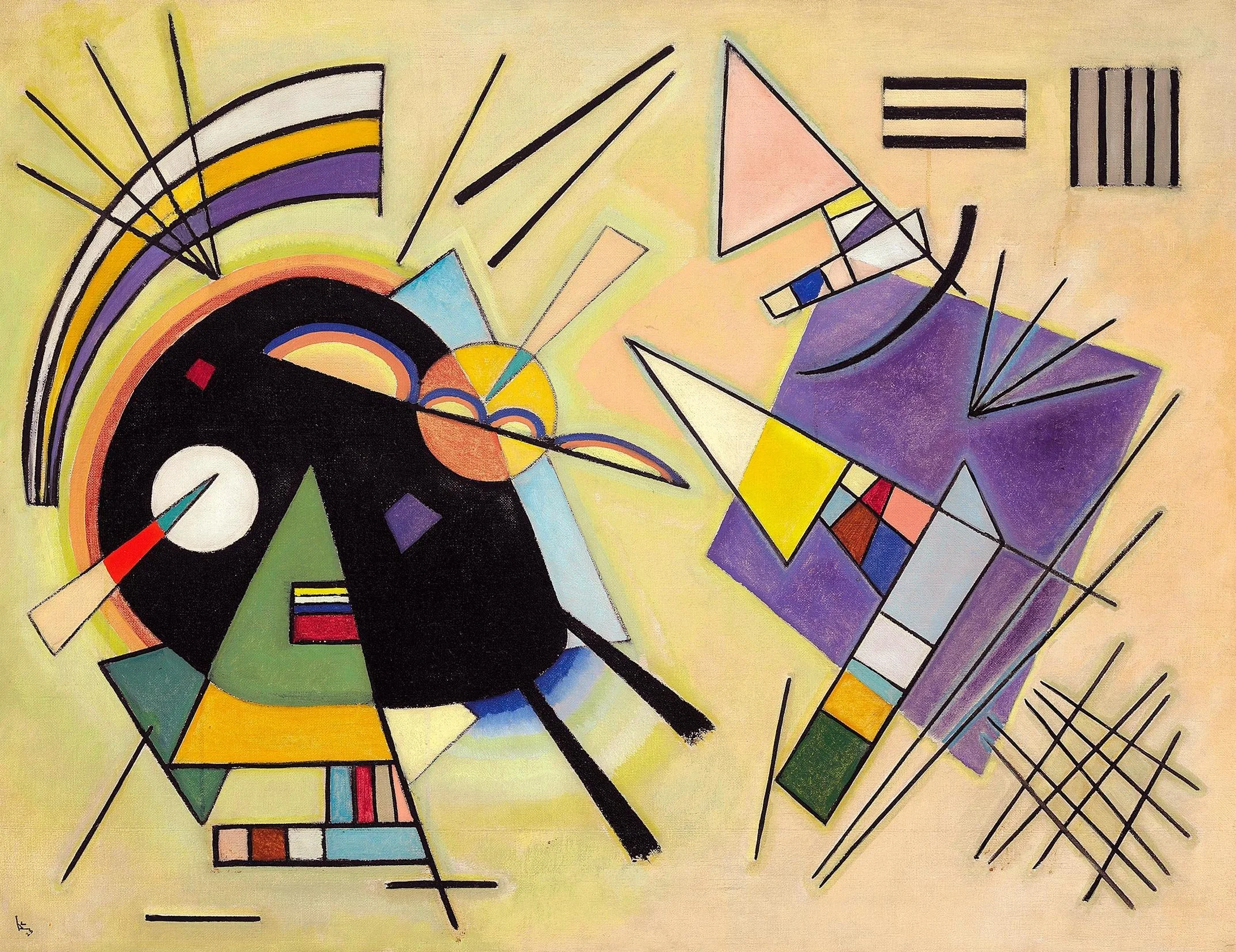
Wassily Kandinsky. (1923). Black and Violet
EMDR
Instead of scrambling to cope with our triggers, what if our triggers got quieter?
I am trained in EMDR (Eye Movement Desensitization & Reprocessing), which over the course of 40 years has amassed one of the most robust bodies of evidence demonstrating its efficacy. I have seen radical change in myself and my clients. Reminders both internal (thoughts, emotions) or external (people, situations) that, in the past, would have set us on a spiral simply become less interesting. We are able to truly feel in our bodies - not just telling ourselves - that the event is over, the threat has resolved. Our accumulation of positive self-beliefs, because we have those too, are then finally able to breathe, to take up some space. There is peace in a way many could have never imagined.

Helen Frankthaler. (1967). Flood
Internal Family Systems (IFS)
“When children feel pervasively angry or guilty or are chronically frightened about being abandoned, they have come by such feelings honestly”
(Van der Kolk, “The Body Keeps the Score”, 2015, p. 159)
If a crying child approaches you, how might they respond if you tell them they’re over-reacting?
Would they be confused, ashamed, angry? Maybe they would get quiet and then lash out later. Maybe the child would simply cry louder, because clearly you didn't get it the first time.
Instead, maybe you stay with the child and try to understand it. Maybe you let them know whatever they were feeling, it makes sense. What might happen then?
I am trained in Internal Family Systems (IFS) which states that our internal life operates in this way. When we argue with ourselves or try to control our big feelings, they don't go anywhere. They either don’t change at all, or they come out sideways with impulsive & out of control behavior, addiction, depression, or self-loathing.
It might seem paradoxical or counterintuitive, and it is definitely against the norm of Euro-American culture, but when we give attention to those parts, especially the wounded, the destructive, the unpleasant, or the seemingly irrational, they relax a little. Those parts of ourselves realize they are part of a unit. They feel less compelled to take over because they can trust your self to take care of things. The urge to act in ways we regret and are perplexed by subsides and is replaced by a profound relief, a long-awaited sense of connection within ourselves.
What do you think?
Send me a message using the below form and we can set up a free 15 minute consultation.